
ISO 50001: Globally Recognized Standard for Energy Management
Energy efficiency is a critical factor for companies that not only want to reduce their operating costs but also strengthen their environmental responsibility. The globally recognized ISO 50001 standard helps organizations systematically improve energy efficiency. By implementing an energy management system according to ISO 50001, companies can significantly reduce their energy consumption and CO2 emissions, thereby making an active contribution to environmental protection. This certification not only helps companies achieve more sustainable energy use but also enhances their long-term economic performance.
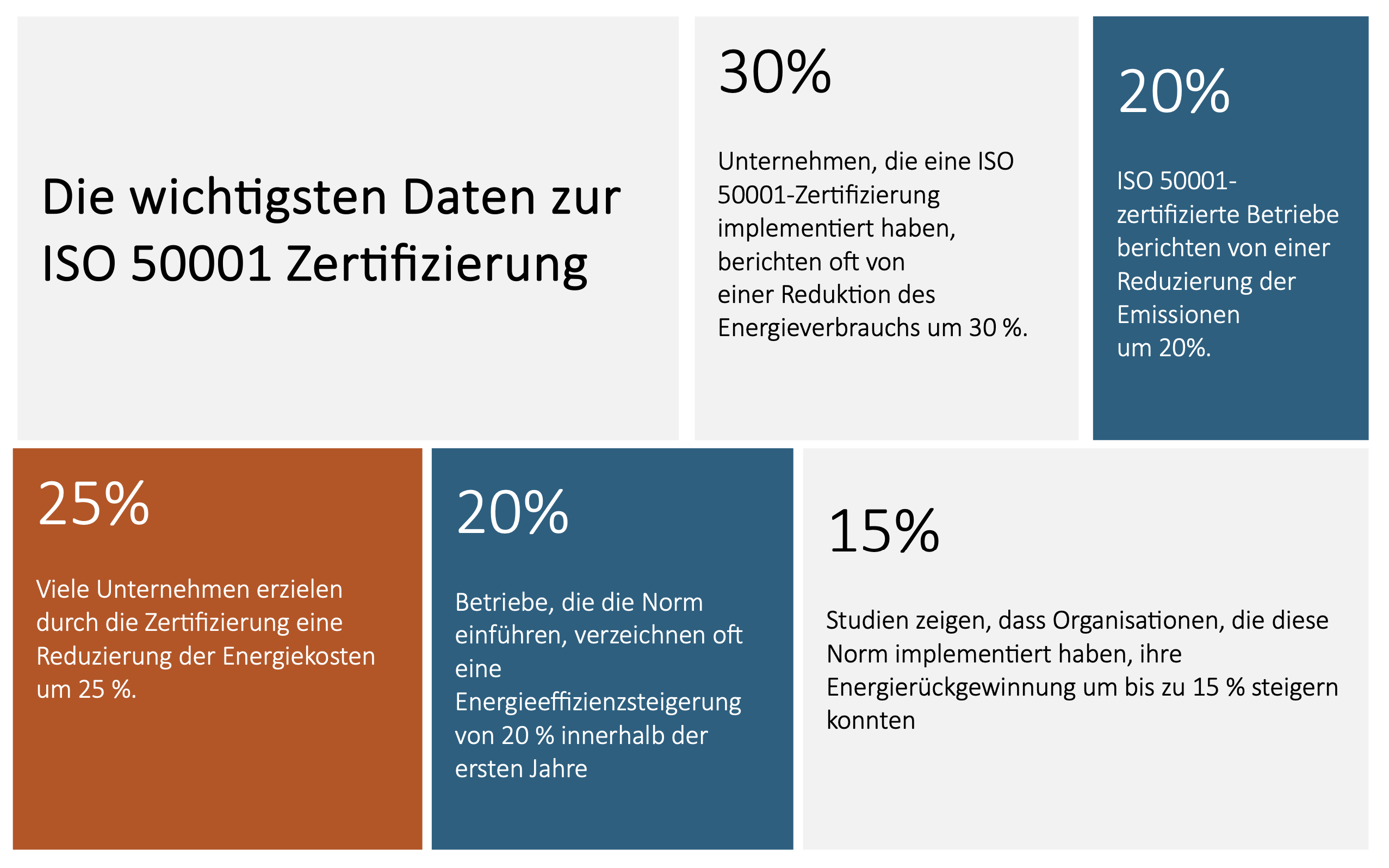
ISO 50001 – Key Information for Your ISO 50001 Certification
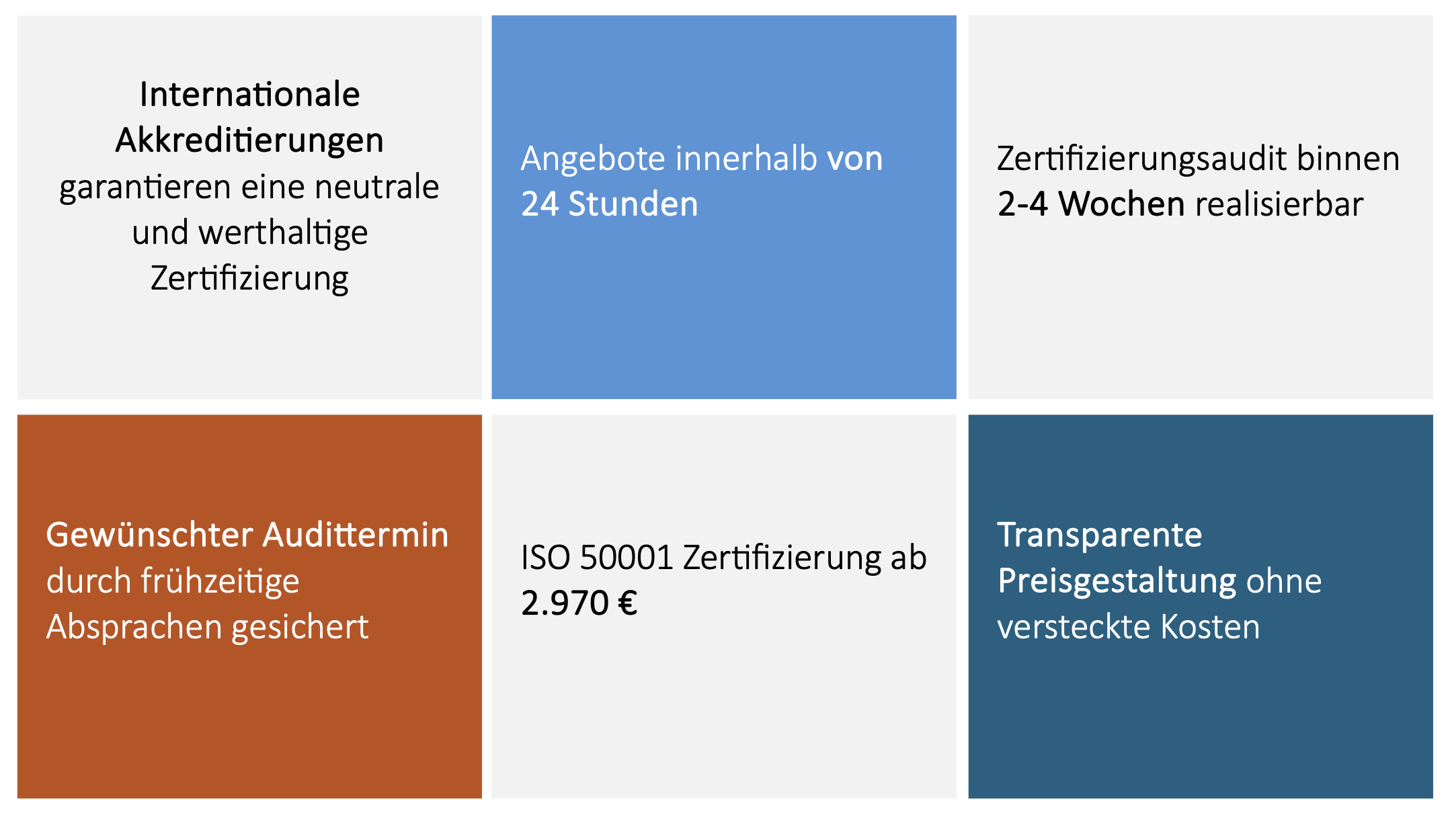
What You Can Expect from an ISO 50001 Certification by PIAQ:
Fill out our ISO 50001 quote form now! Quick, straightforward, and without obligations – receive your free, personalized, and non-binding quote within 24 hours.
ISO 50001 Certification Process
FAQ – Learn More About ISO 50001 Certification
Do you want to learn more about ISO 50001 certification? Our experts have answered the most important questions for you.
ISO 50001 is an internationally recognized standard for energy management systems that helps companies improve their energy efficiency and sustainably reduce energy consumption. Through ISO 50001 certification, companies commit to systematically recording, analyzing, and optimizing their energy consumption, as well as complying with relevant legal requirements in the energy sector. This standard is applicable across industries and helps businesses elevate their energy standards to a globally recognized level, which not only reduces operating costs but also minimizes the company's environmental footprint.
With ISO 50001 certification, companies demonstrate their commitment to sustainable and responsible energy policies while strengthening their competitive position through savings and higher energy efficiency.
ISO 50001 certification offers companies numerous benefits in the areas of energy efficiency and sustainability by introducing and monitoring internationally recognized energy standards. Here are the key benefits:
- Reduction of energy consumption and energy costs
- Improvement of environmental performance and reduction of CO₂ emissions
- Compliance with legal requirements and risk reduction
- Long-term cost efficiency and increased competitiveness
- Improved corporate reputation and increased business opportunities
These benefits show that ISO 50001 certification not only helps companies save energy and costs but also contributes to sustainable development and improved competitiveness.
The cost of ISO 50001 certification varies depending on individual company factors. Here are the main influencing factors and a general price overview:
- Company size and number of employees
- Number of locations
- Complexity of processes and energy usage
- Existing energy management systems or certifications
Note: The exact costs for ISO 50001 certification can only be determined after a detailed analysis of the company.
Based on our current daily rates, companies with 1 to 10 employees can expect costs starting at approximately €2,970 for ISO 50001 certification. Please note that this is an estimate, and the final ISO 50001 certification costs will be determined more accurately after a detailed analysis of your specific company requirements.
To obtain ISO 50001 certification, companies must implement a systematic energy management system (EnMS) that meets the specific requirements of the standard. Here are the key requirements:
- Development of an energy policy
- Establishment of energy objectives and performance indicators (EnPIs)
- Energy planning and identification of energy consumption
- Implementation of energy efficiency measures
- Continuous monitoring and reporting
- Employee involvement and training
- Regular internal audits and management reviews
These requirements are designed to help companies sustainably improve their energy efficiency and reduce their energy costs. ISO 50001 certification helps establish a structured and measurable energy management system that optimizes energy consumption and reduces the environmental footprint.
In some countries and regions, regulations require certain companies to implement an energy management system or conduct regular energy audits. ISO 50001 certification is not explicitly mandated but can fulfill these requirements. Here are the main regulations affecting larger companies:
- EU Energy Efficiency Directive (2012/27/EU)
In the European Union, companies with more than 250 employees or an annual turnover exceeding €50 million and a balance sheet total over €43 million are required to conduct an energy audit every four years. This energy audit serves to assess energy consumption and identify savings potential. Implementing an energy management system according to ISO 50001 is an alternative to the energy audit and can replace the audit requirement, motivating many companies to adopt ISO 50001. - Energy consumption thresholds for energy-intensive companies
In some countries, companies exceeding a certain energy consumption level are required to implement an energy management system. For example, companies consuming a specific amount of energy annually may receive tax benefits if they implement an ISO 50001-compliant energy management system. In Germany, energy-intensive companies receive tax relief under the Spitzenausgleich (SpaEfV) if they implement an energy management system according to ISO 50001 and demonstrate energy efficiency measures. - Industry-specific requirements
In energy-intensive industries (e.g., steel, cement, chemicals, paper), regulations or industry associations in some countries require an energy management system to reduce energy consumption and comply with environmental standards. These requirements aim to improve energy efficiency in particularly consumption-intensive sectors.
In summary:
ISO 50001 certification itself is usually not legally required, but larger companies (over 250 employees) or those with high energy consumption may be obligated to conduct energy audits or implement energy management systems. In these cases, ISO 50001 certification is often chosen as an effective solution to meet legal requirements while improving energy efficiency.
From the initial application to the issuance of the certificate, it takes between 4 and 12 weeks if the audit is conducted without major deviations. The duration may be longer depending on the size of the organization or the complexity of the processes and can be adjusted according to customer requirements. It is important that the audit is completed within 6 months after the order confirmation.
If you submit an application for ISO 50001 certification today, you will receive a non-binding quote tomorrow. After order confirmation, we can conduct the audit within two weeks. If the audit is completed without deviations, the certification committee requires approximately 2-3 working days for its decision. 1-2 days after a positive decision by the certification committee, the certificate is issued and provided to you as a PDF and in hard copy.
Yes, ISO 50001 can be well integrated with other management system standards, especially those based on the High-Level Structure (HLS). This facilitates integration with standards such as:
- ISO 9001
- ISO 14001
- ISO 45001
How Can We Help You?